


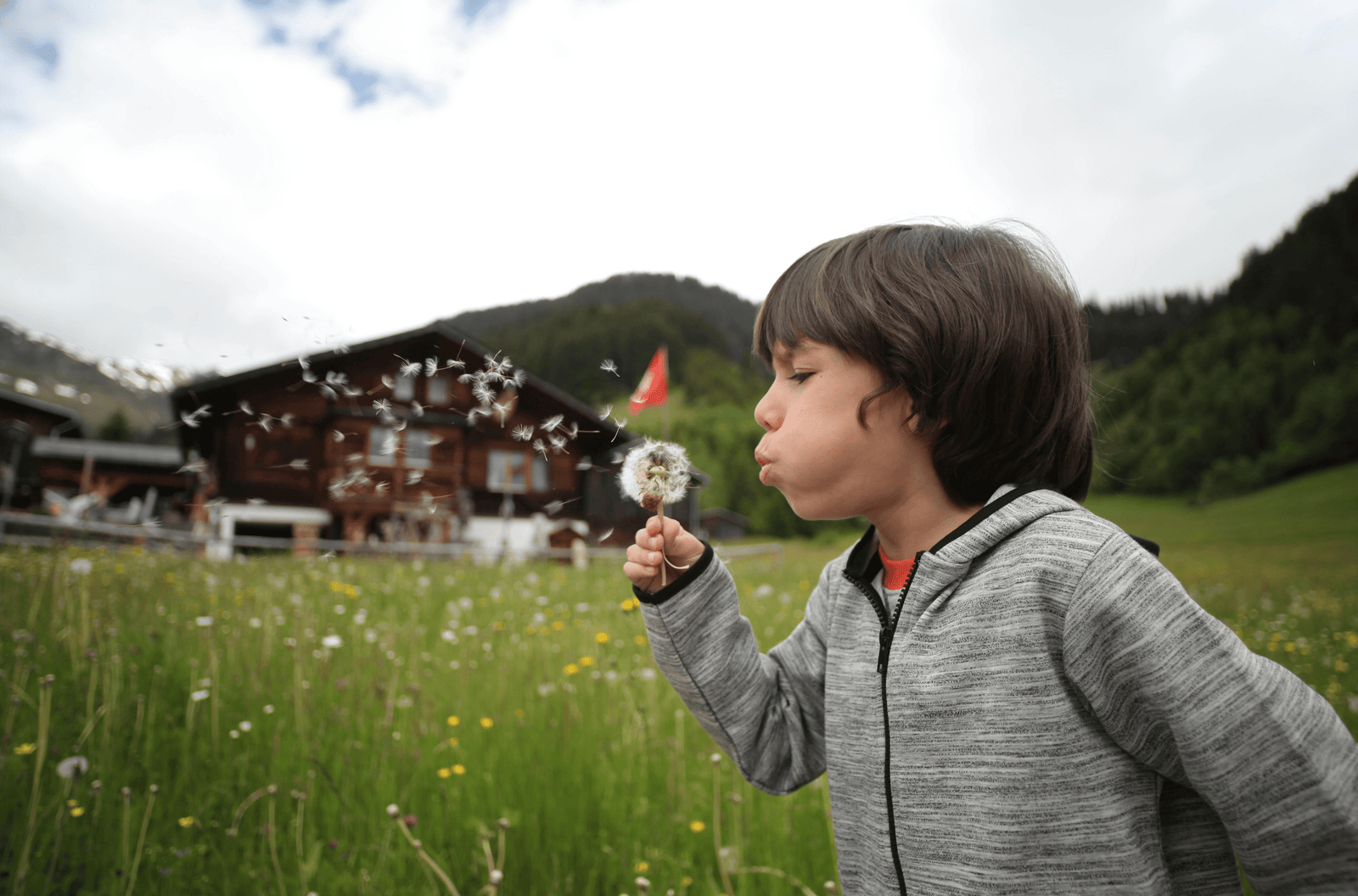

We use our senses every day, but it’s easy to overlook just how important they are for a child’s learning and development. Sensory experiences, including what children see, hear, smell, and feel, play a critical role in how they understand the world around them.
When children engage in sensory play and exploration, they are not just having fun. They are building awareness of their bodies, strengthening cognitive skills, and learning how to interact with their environment through hands-on experience.
Senses and the Brain
When children use their five senses, their brain is actively processing and organizing information. Sensory input helps the brain make sense of the environment and supports learning through experience.
Different areas of the brain work together during sensory exploration. For example:
- The frontal lobe supports thinking, decision-making, and problem-solving
- The parietal lobe helps process sensory information like touch, temperature, and body position
Within the parietal lobe is the somatosensory cortex, which helps the brain interpret sensations such as pressure, pain, and movement. As children engage with sensory experiences, they strengthen neural connections, often called “pathways,” that support learning, coordination, and problem-solving over time.
Building Body Awareness and Coordination
Sensory experiences also help develop proprioception, which is the body’s ability to sense where it is in space. This awareness supports everyday movement and safety. It helps children:
- Navigate their environment
- Maintain balance
- Coordinate movements
These skills are essential for activities like sports, dancing, climbing, and even simple tasks like walking or sitting upright.
Senses and Emotional Awareness
Sensory input doesn’t just support physical and cognitive development. It also plays an important role in emotional awareness. When children learn to notice what they see, hear, and feel, they begin to better understand how their body responds to different situations.
Engaging with the senses can:
- Help shift attention away from overwhelming moments
- Support a sense of calm or focus
- Encourage awareness of internal feelings
This process supports the nervous system and helps children begin to recognize and respond to their emotions with greater awareness over time.
Bringing It All Together
Sensory experiences are more than just play; they are a powerful way for children to learn about their bodies and the world around them. By encouraging children to slow down and notice their senses, we are helping them build stronger brain connections, better body awareness, and a deeper understanding of their emotions.
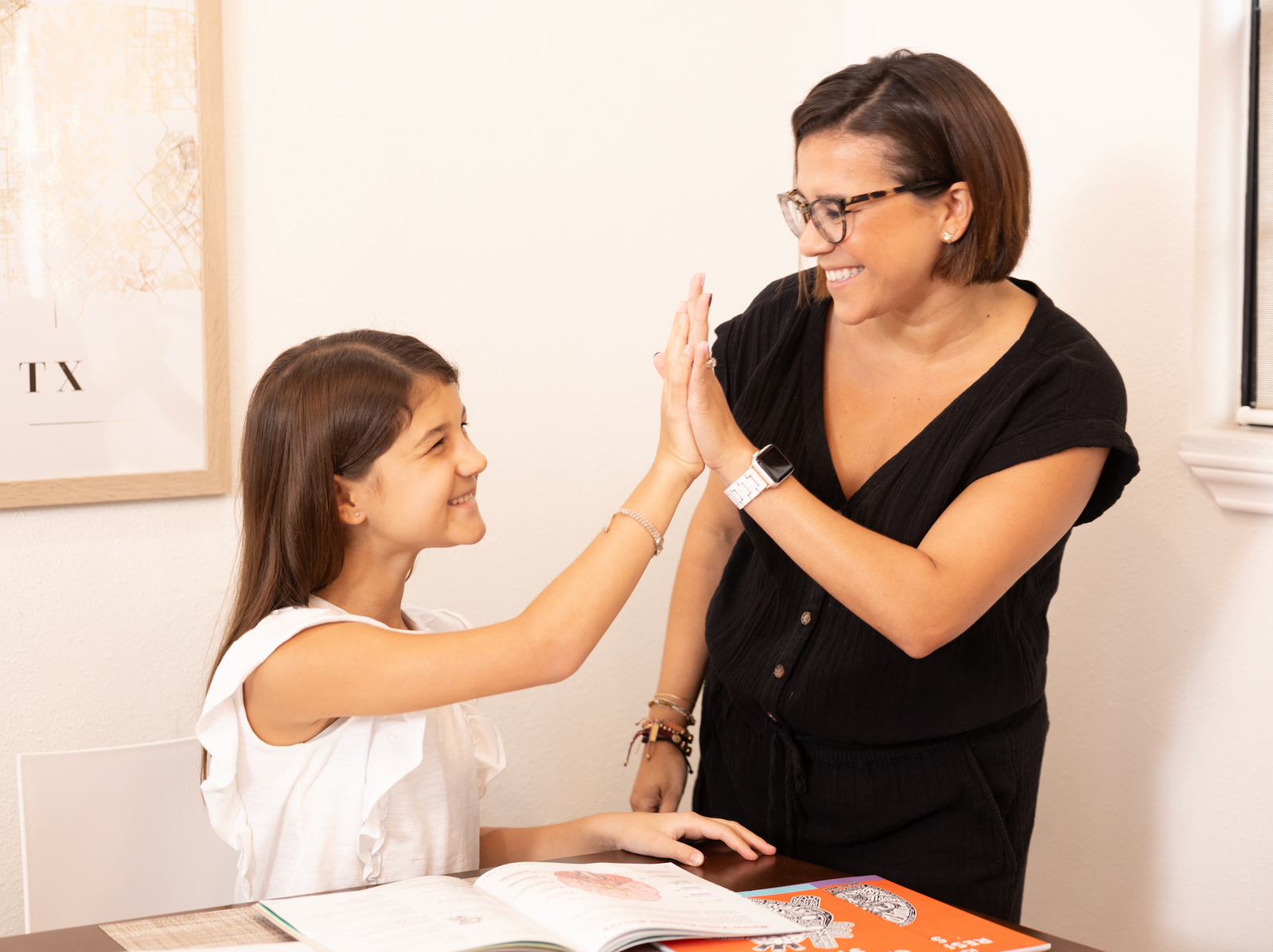
These are foundational skills that support lifelong learning, movement, and well-being. Check out this month’s free resource and support your child as you high five your senses!



Leave a comment (all fields required)